
01
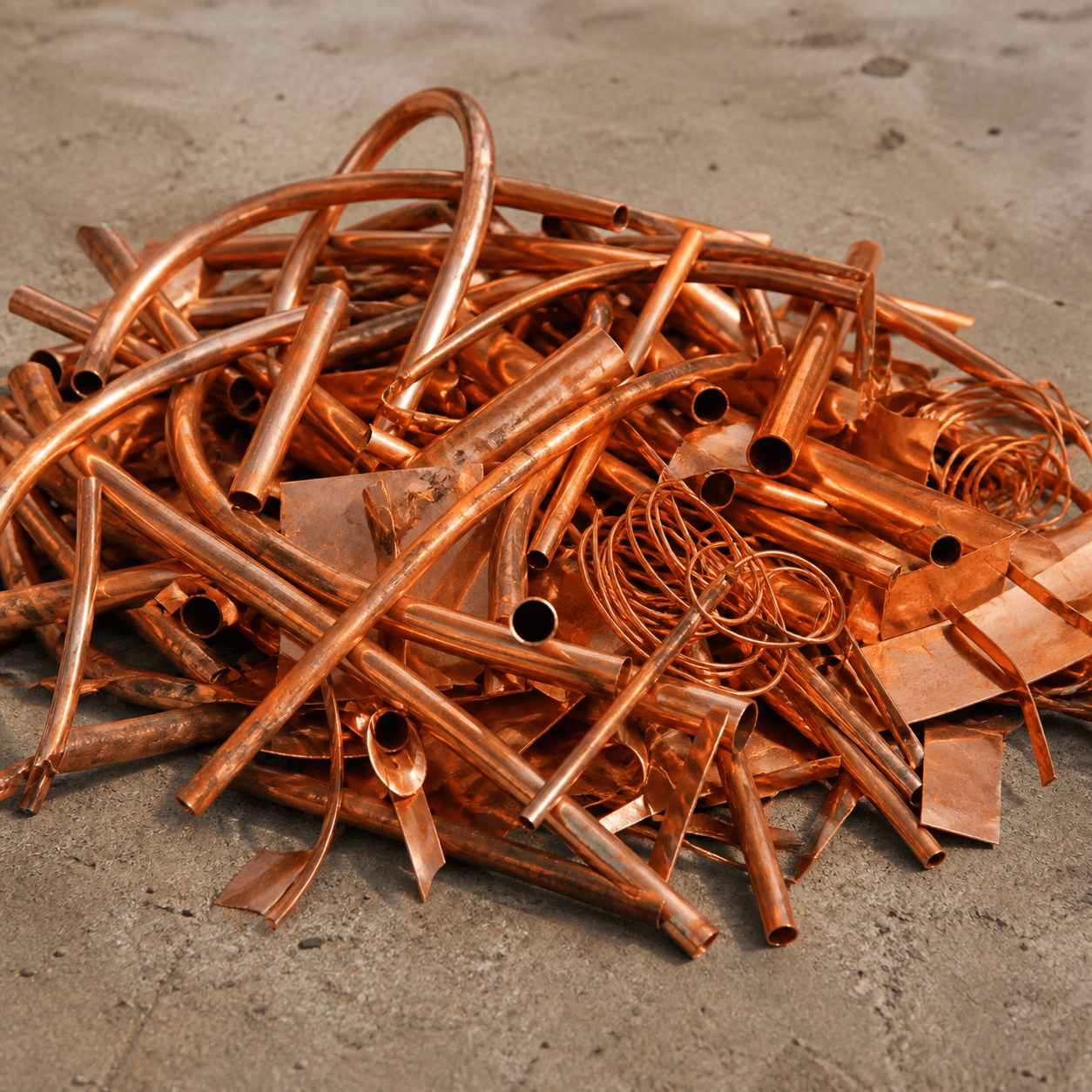
Copper
Non-ferrous
Often requested in clean cable, pipe, and fabrication-offcut form.
Materials
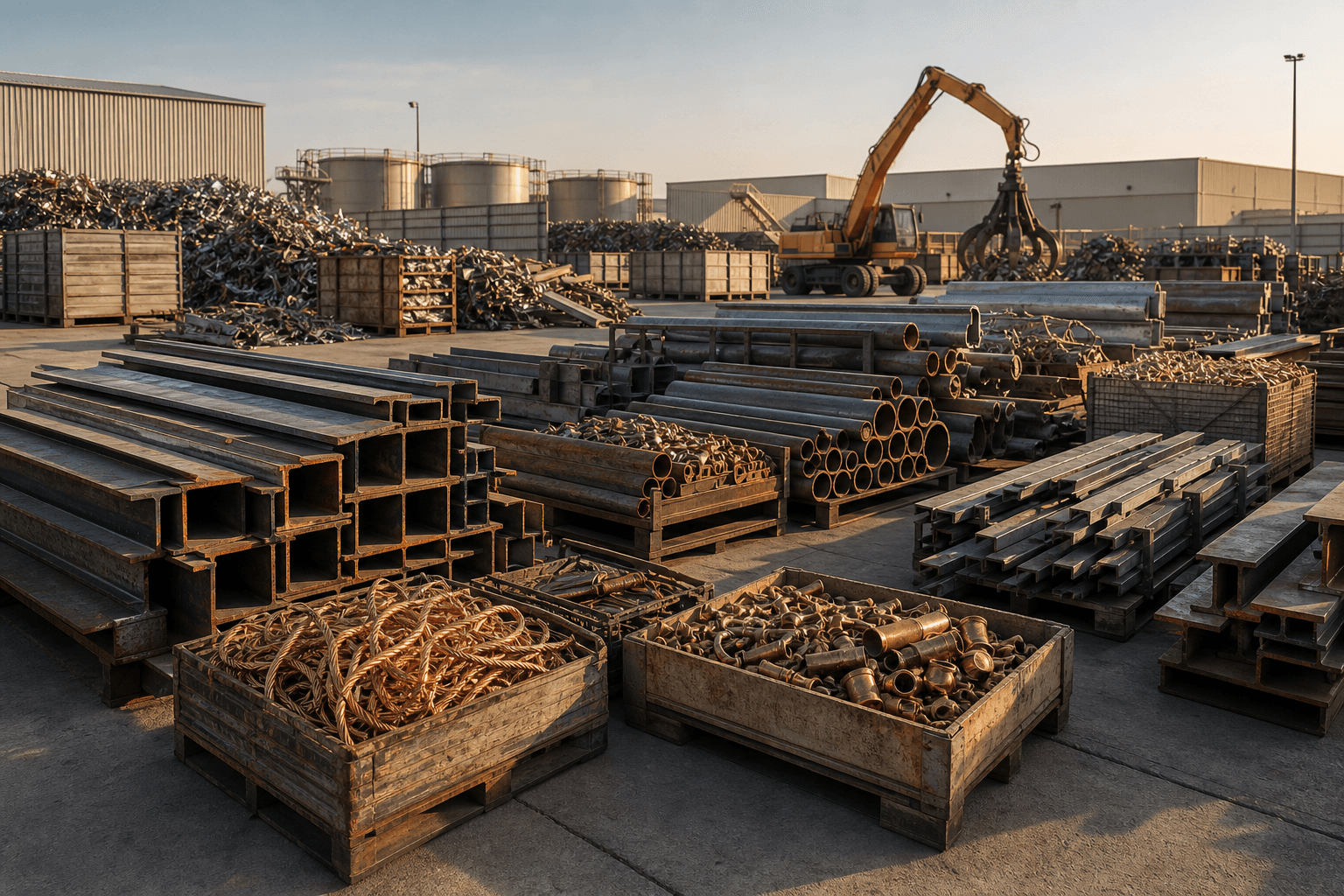
Use this page to identify the material type first, then send photos and site details for a faster quote review.
Catalog
Each category gives you a quick read on what the material is usually associated with and how it is typically handled.
01
Non-ferrous
Often requested in clean cable, pipe, and fabrication-offcut form.
02
Non-ferrous
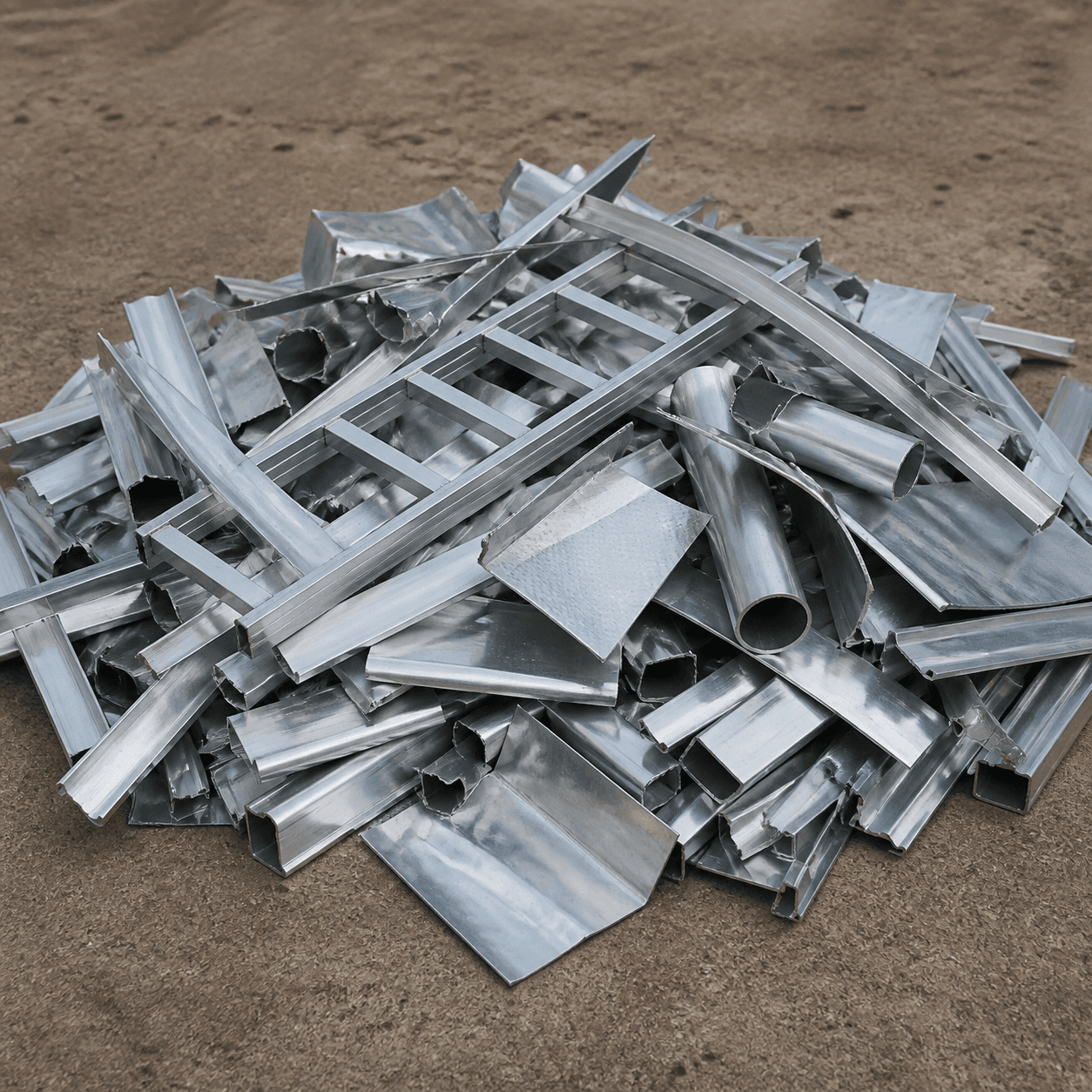
Common from profiles, frames, sheet, and extrusion scrap.
03
High-value alloy
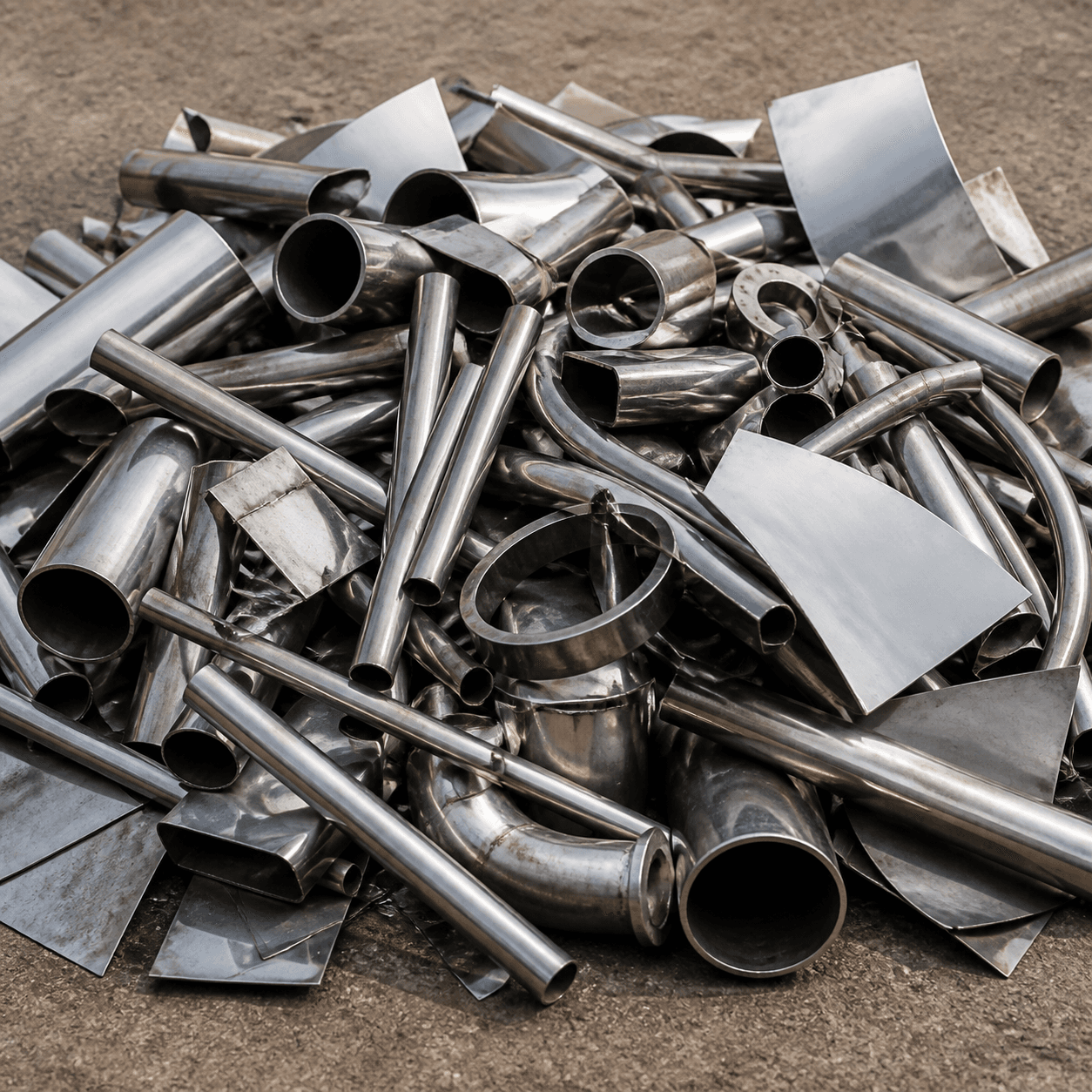
Useful when the load is sorted by grade or kept free of contamination.
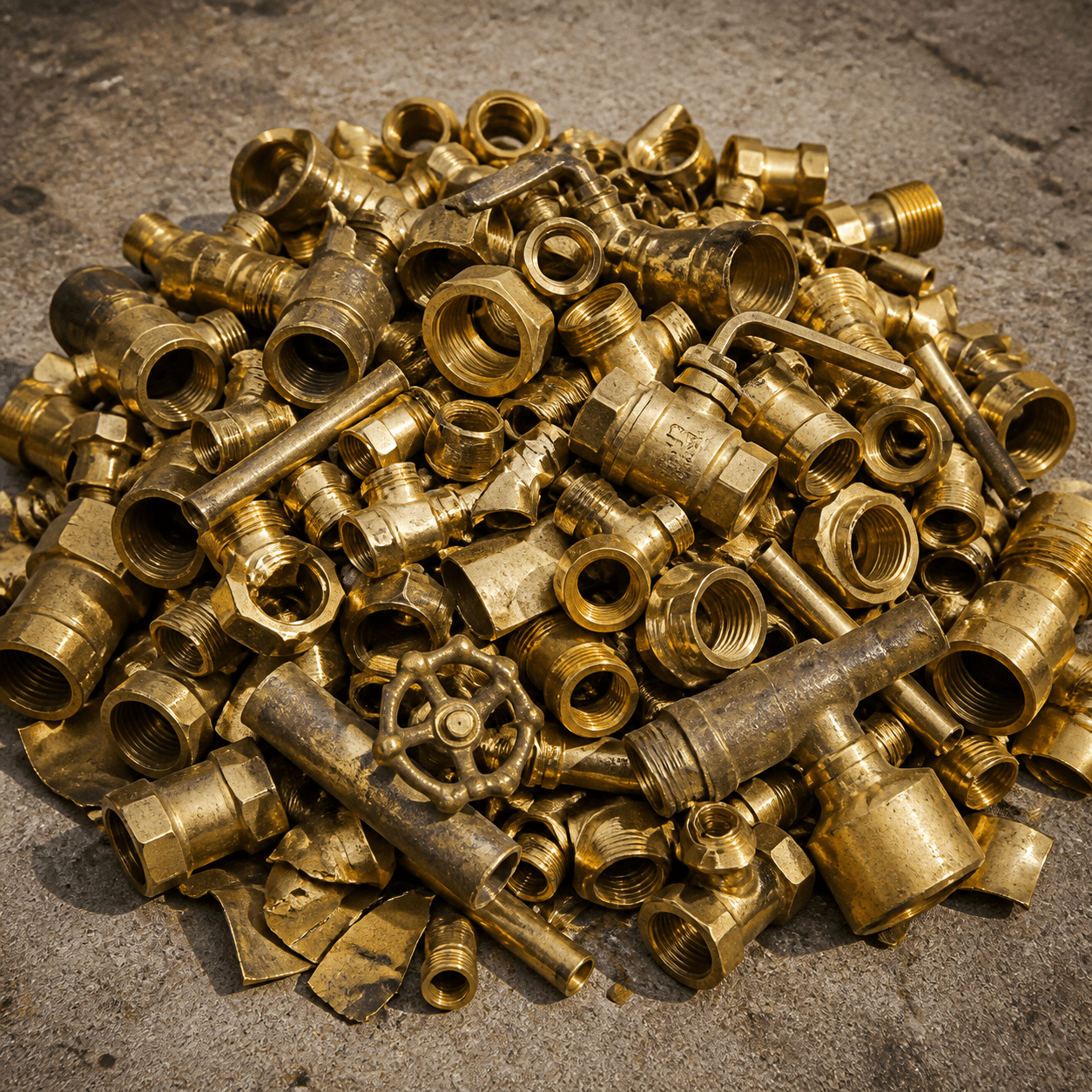
04
Non-ferrous
Typical in plumbing parts, fittings, valves, and mixed workshop offcuts.
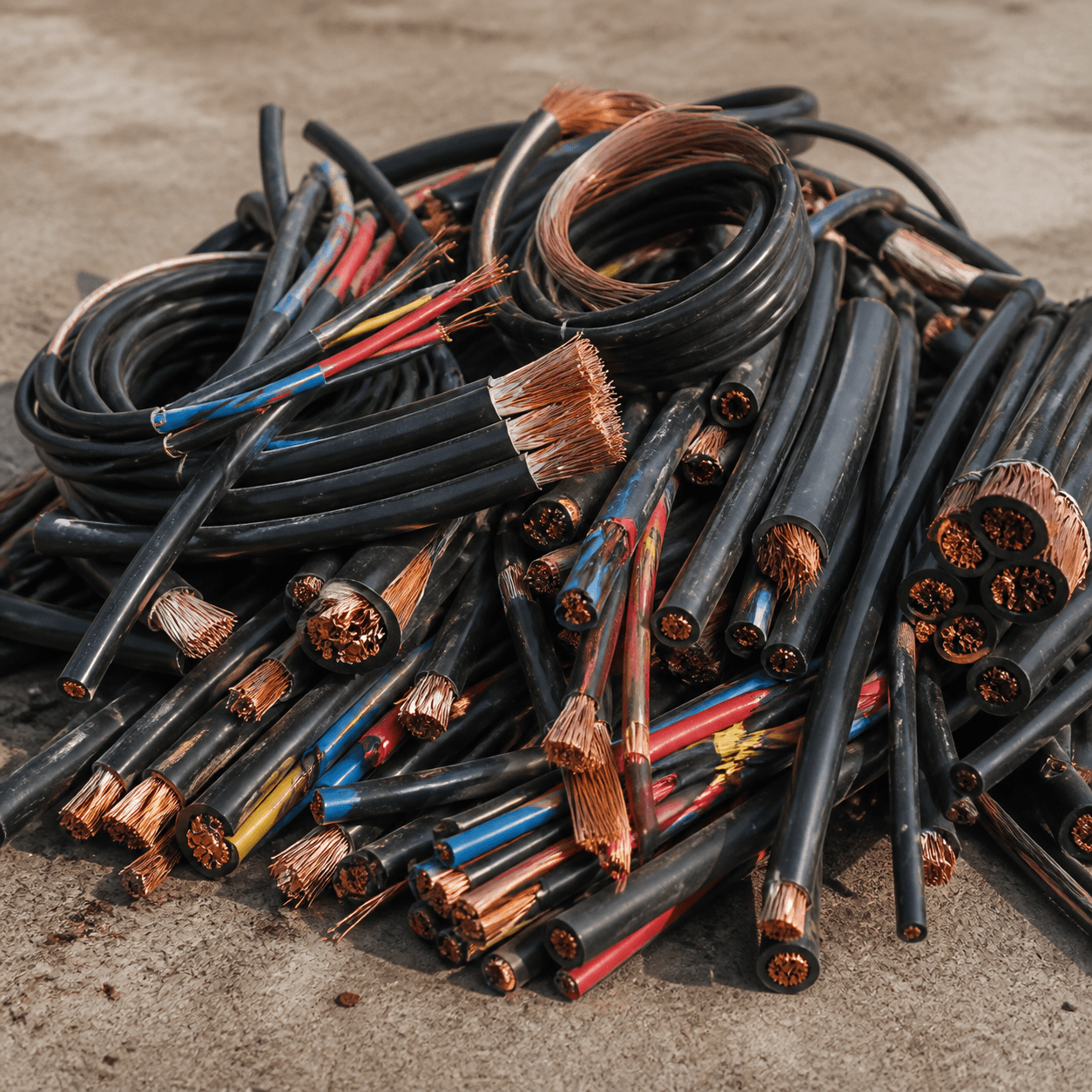
05
Mixed load
Can include insulated cable, stripped cable, and bundled wire.
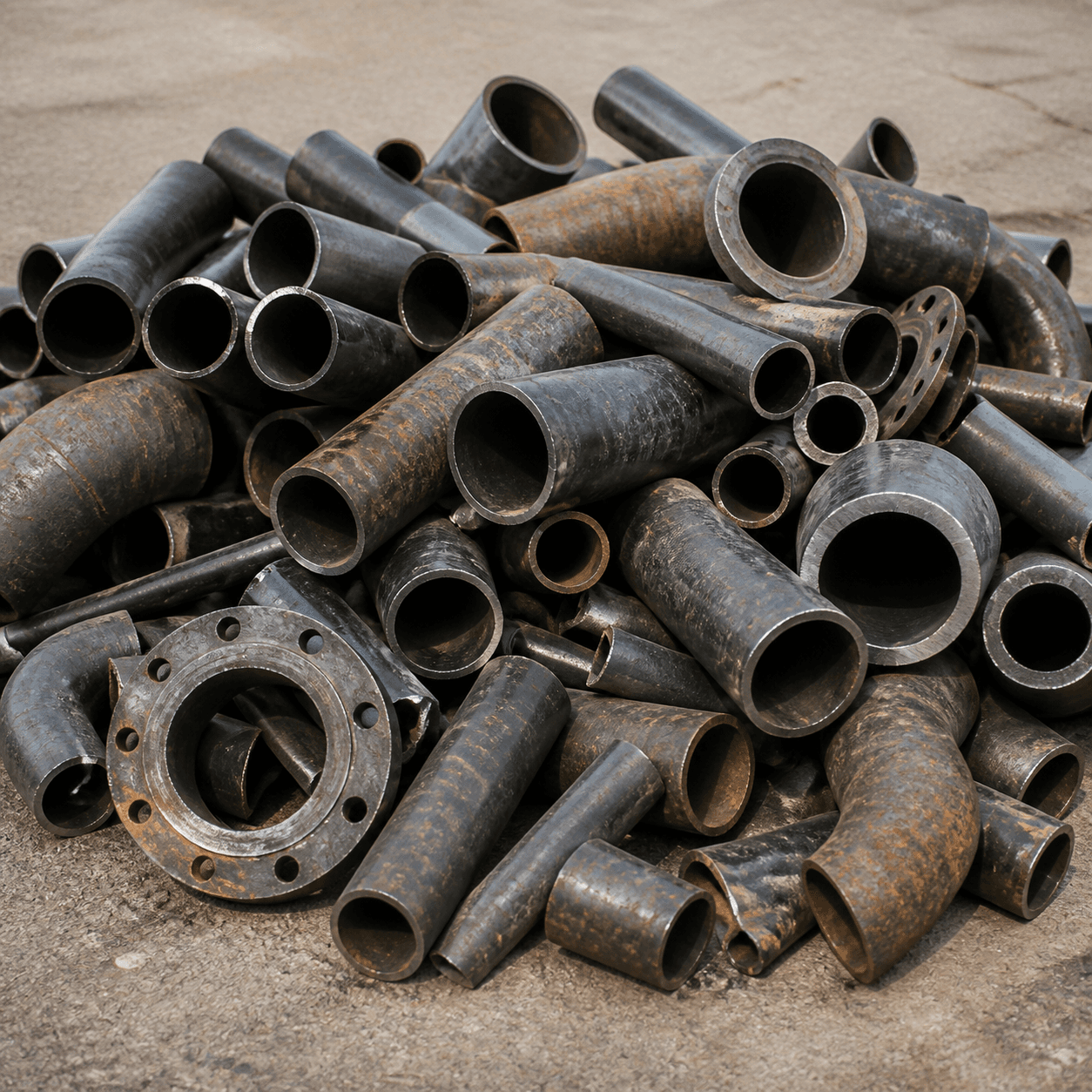
06
Ferrous
Carbon steel pipe, tube, and structural offcuts from site work.
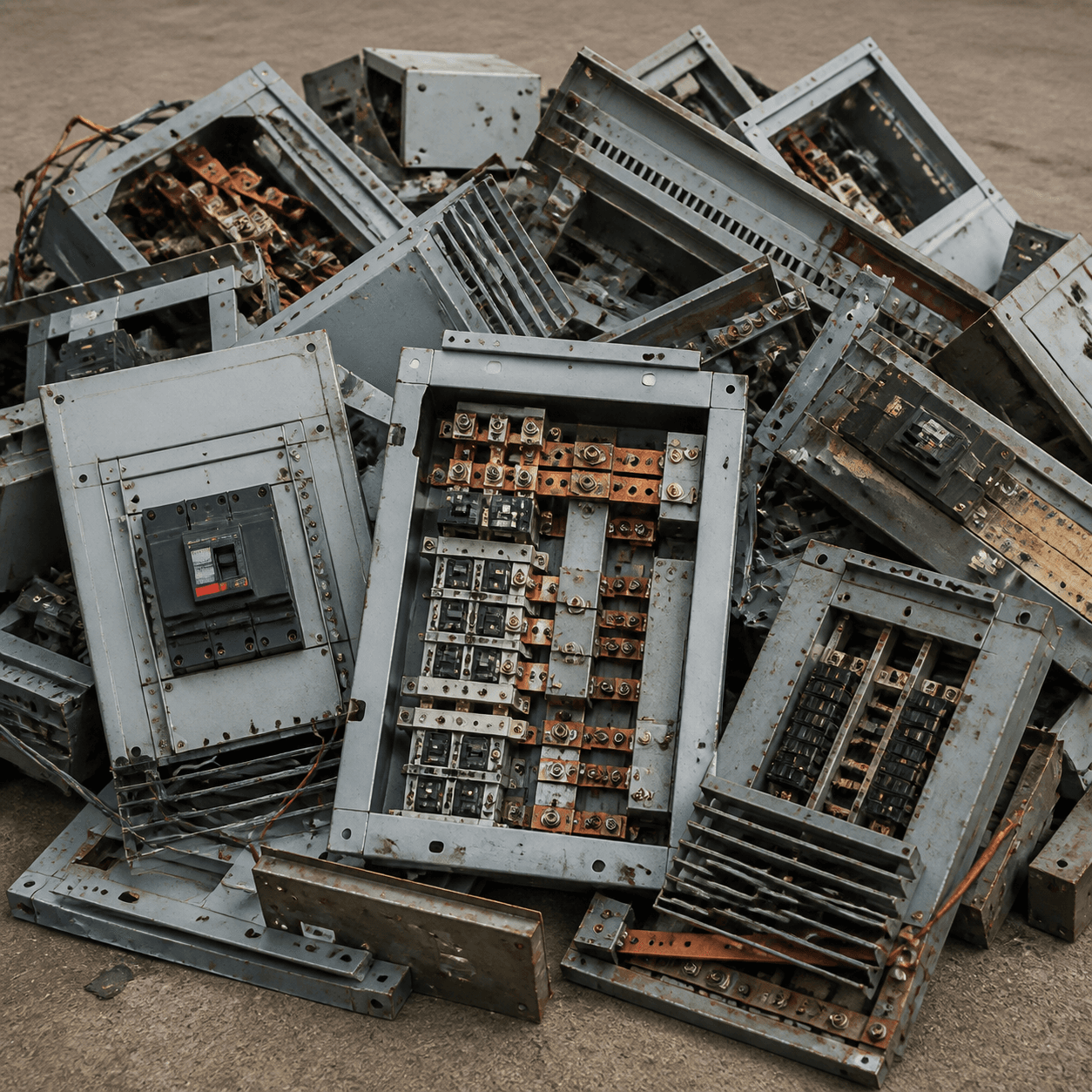
07
Mixed load
Electrical panels and enclosures are usually handled case by case.
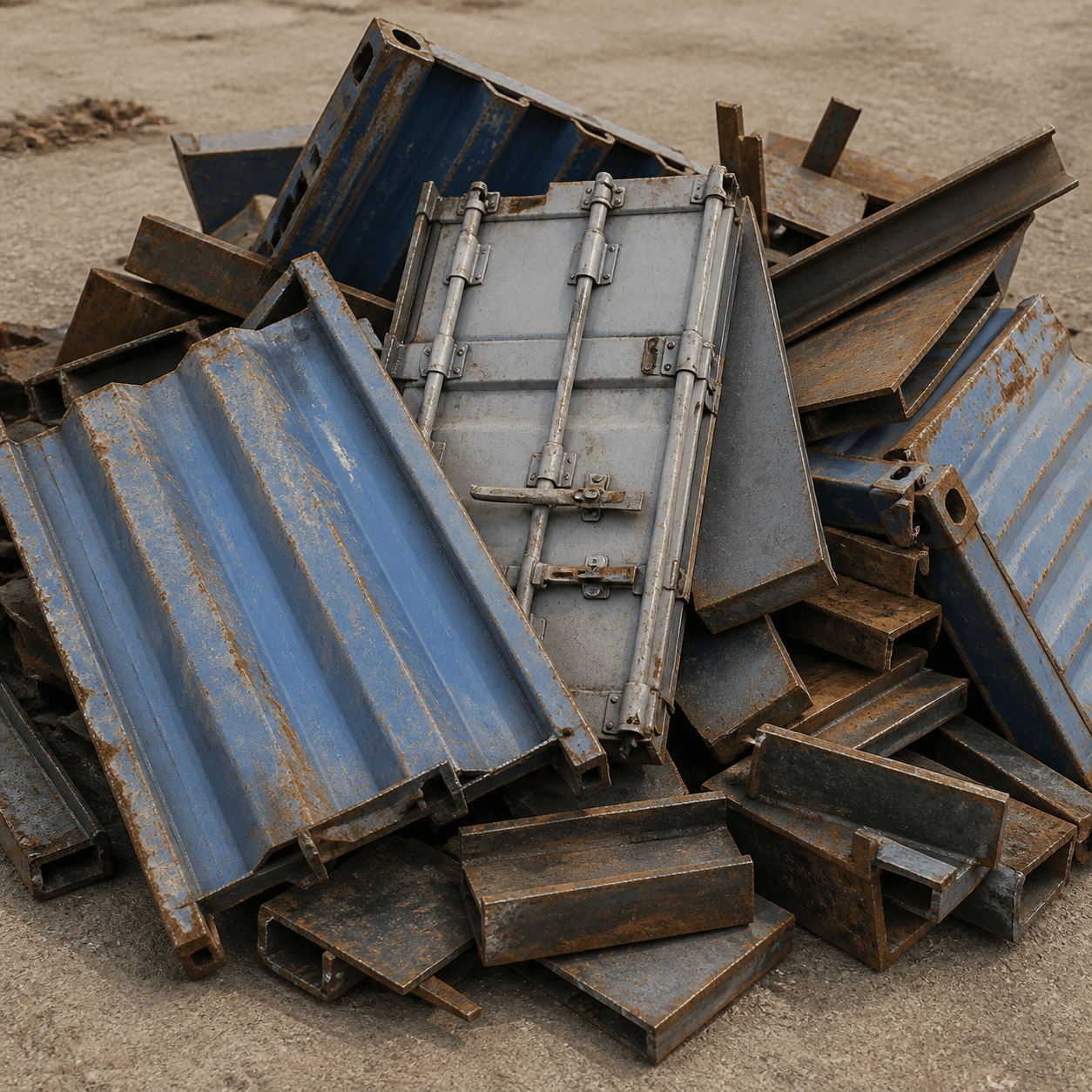
08
Industrial surplus
Suitable for yard clear-outs, equipment shells, and mixed surplus loads.
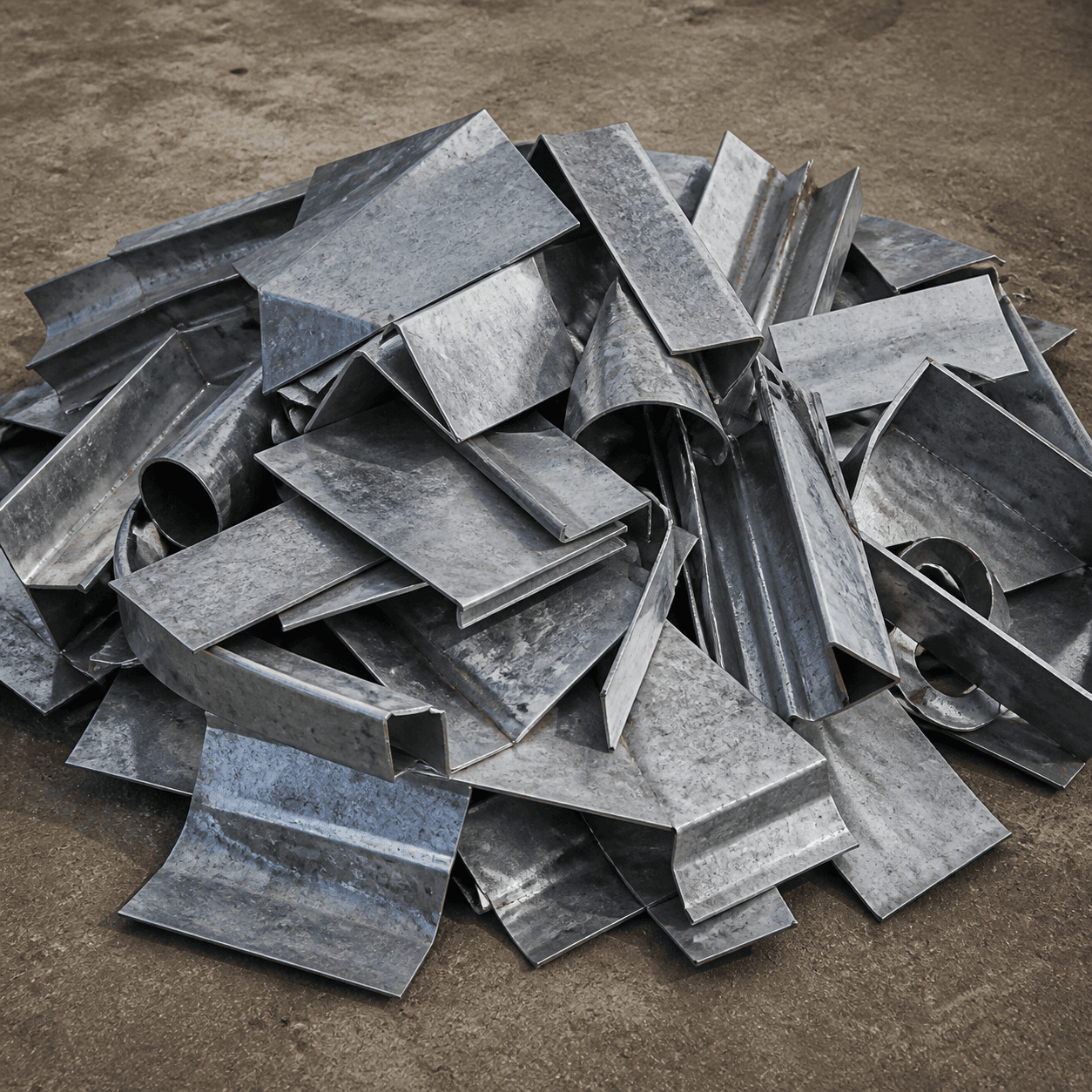
09
Non-ferrous
Often found in sheet, coated scrap, fittings, and industrial remnants.
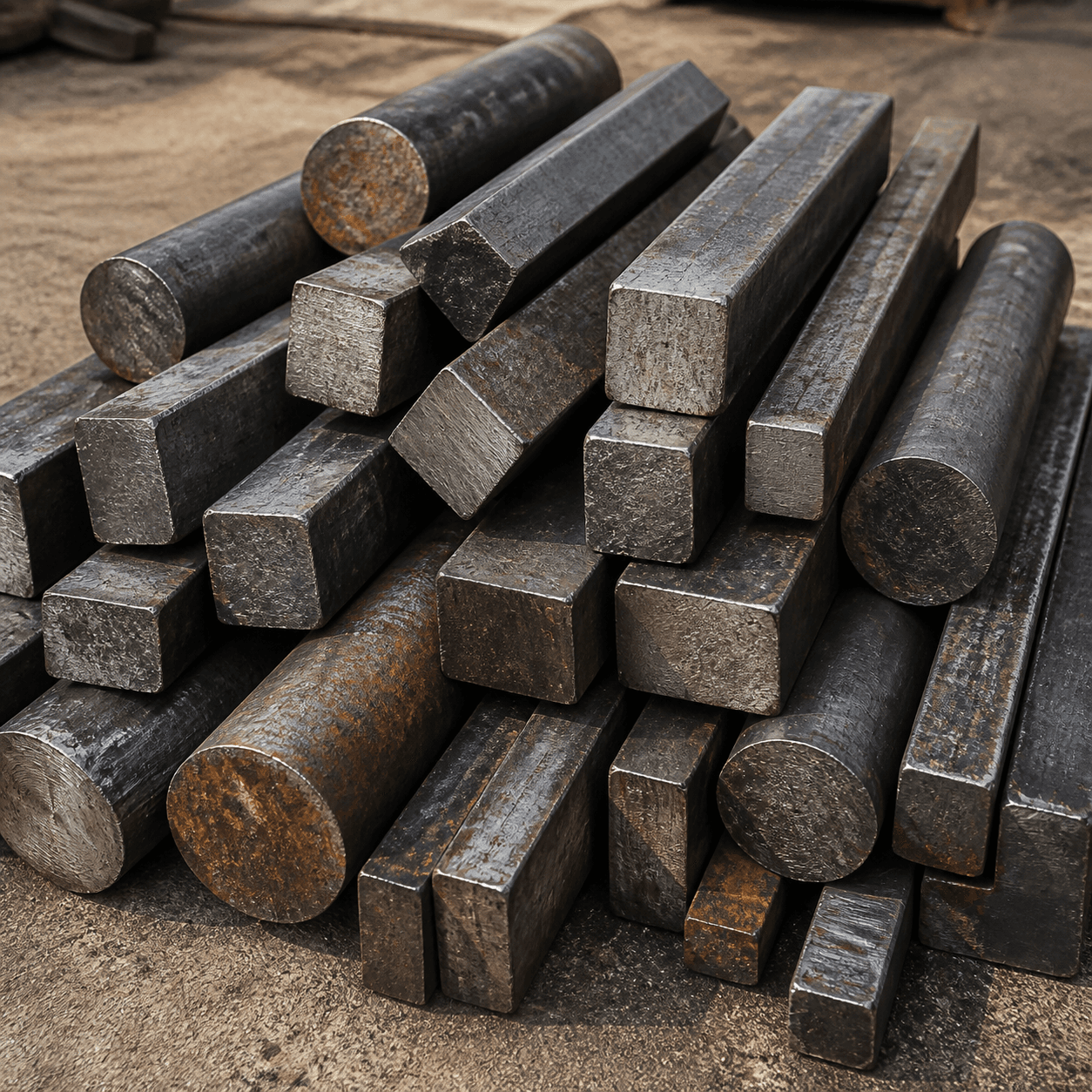
010
Stock material
Useful when surplus metal stock, remainders, or cut lengths are available.
Value factors
Materials are not priced only by name. Condition, cleanliness, quantity, and how the load is staged all affect the discussion.
Photo guide
A good first message helps us identify the material and decide whether it needs a quick estimate, a site visit, or a pickup plan.
How to prepare
The steps below keep the first review practical and reduce back-and-forth when the load is mixed or spread across a site.
01
Use the catalog to match the closest material type before sending details.
02
Clean, sorted material is easier to review than a fully mixed pile.
03
A few clear images are enough for the first review in most cases.
04
Share the site, rough volume, and timing so the response is practical.
Final step
The fastest response comes from a short WhatsApp message with location, quantity, and a clear photo of the material.
Quote by WhatsApp
Include the load details and access conditions so we can respond with the right next step.